Every venture begins with an idea, but not all businesses are the same. Some exist to meet basic needs, others to offer stability, others to scale steadily, and a few are built to pursue rapid, expansive growth. Entrepreneurs frequently misread the true nature of the businesses they are creating, and this misalignment often produces unclear goals, weak strategies, and avoidable pressure. Policymakers face the same challenge; when they treat all enterprises as “SMEs”, they design generic support programs that fail to meet real needs.
To make the distinction simple and memorable, this post reframes the four classic venture categories using four animals: the Goat, the Bee, the Elephant, and the Eagle. Each represents a different ambition, structure, and growth pattern.
Knowing which one you are building is the first strategic choice every founder must get right
1. The Goat — The Survival Venture
Goats are resilient. They thrive in hard environments. They waste nothing. Their mission is simple: survive today so they can return tomorrow.
A Goat business operates with the same mindset. These ventures emerge from necessity, not grand vision. The goal is to generate immediate income and support daily living. They are lean, flexible, and heavily dependent on the entrepreneur’s personal effort.
Goat ventures exist to meet immediate financial needs. They are lean, practical, and focused on day-to-day income. They emerge from necessity and rely heavily on the entrepreneur’s direct effort.
Signs your business is a Goat:
- You started primarily to earn income quickly, not to scale.
- The business depends almost entirely on your hands, your presence, or your labour.
- You operate with minimal capital, often reinvesting only small amounts.
- You’re not planning to open branches, hire a team, or expand significantly.
- Your main goal is to support daily living, not long-term growth.
Typical examples:
Roadside retail, tailoring, small pepper farms, mobile money booths, small trading operations.
2. The Bee — The Lifestyle Venture
Bees are steady workers. They create value consistently. They don’t chase scale; they chase balance. Their hive is organized, but never unnecessarily complex.
A Bee business is built around expertise, passion, or convenience. It provides predictable income, satisfaction, and autonomy. Growth is moderate by design. Bee ventures are built for consistent income, passion, autonomy, or work-life balance. They prioritize stability and personal fulfilment, not aggressive expansion.
Signs your business is a Bee:
- You started because you enjoy the work or want independence.
- You run the business alongside your career or as a flexible income source.
- You are comfortable with moderate, predictable growth.
- You prioritize quality, client relationships, and routine over scaling.
- You do not plan to pursue large investment or grow into a national brand.
Typical examples:
Freelance consulting, personal catering, private tutoring, weekend home-care services, boutique fashion or skincare brands.
3. The Elephant — The Managed Growth Venture
Elephants grow large, but never in a hurry. Their movements are intentional. Their communities are structured. They invest in the long game.
An Elephant business has clear systems, a growing team, and plans for expansion. It requires capital, operational discipline, and leadership capacity. It creates jobs. It scales carefully. Elephant ventures are structured, steady, and deliberate. They focus on building systems, hiring teams, and expanding sustainably. They are too big to operate as side gigs, but not built for lightning-fast disruption.
Signs your business is an Elephant:
- You have a structured growth plan with milestones.
- You hire staff, formalize operations, and invest in systems.
- The business requires working capital and long-term planning.
- You reinvest profits to expand capacity or open new branches.
- You’re targeting regional or multi-location growth.
Typical examples:
Pharmacy chains, food processing companies, logistics firms, agribusiness expansions, multi-branch restaurants.
4. The Eagle — The Aggressive Growth Venture (Startups)
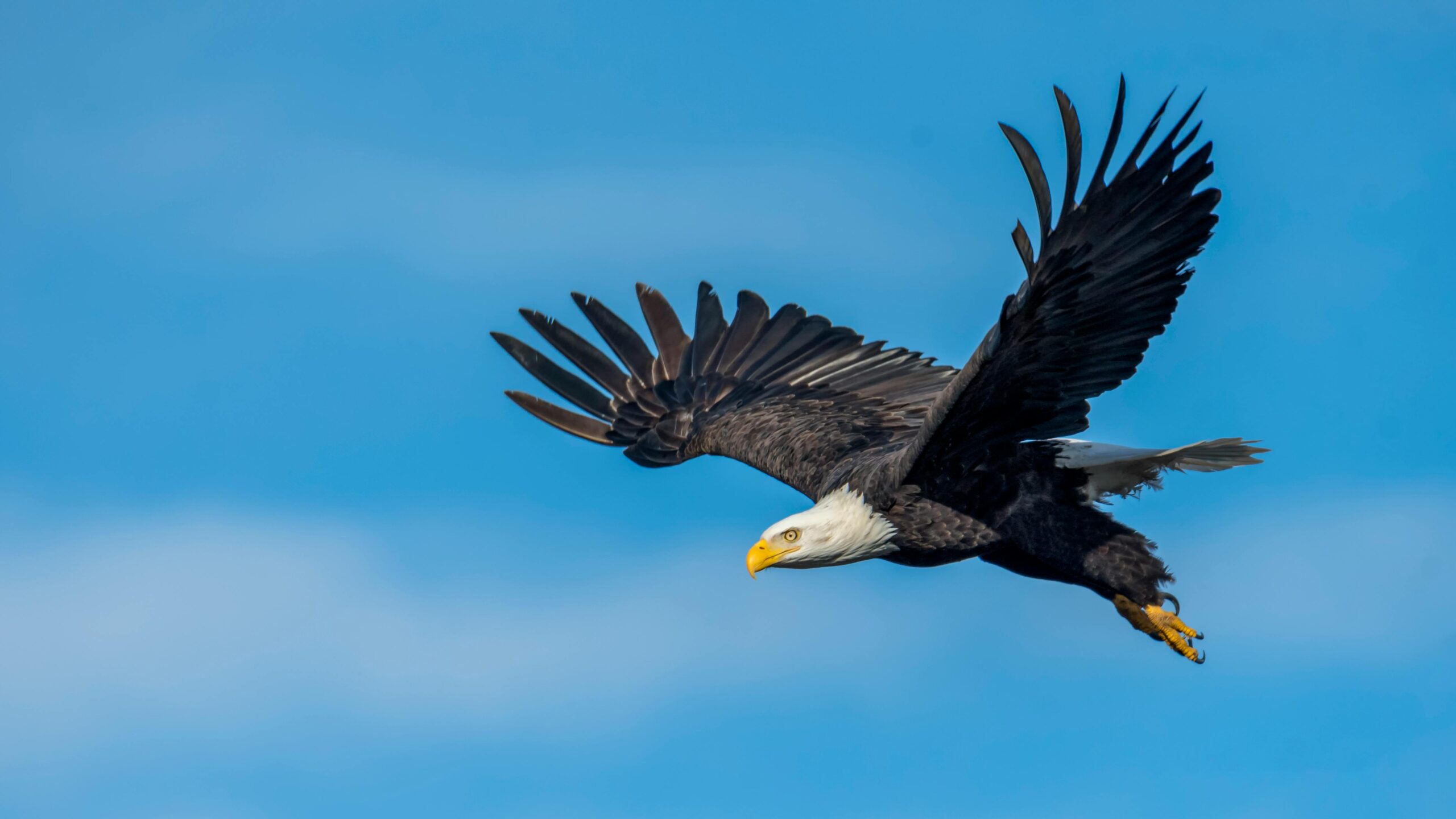
The eagle sees what others miss. It spots opportunity from far away and moves fast when the timing is right. It aims high and refuses to stay small.
An Eagle venture is your classic startup: innovative, disruptive, and designed for rapid scaling. It targets large markets and often pursues investor funding. Eagle ventures are built for speed, innovation, and scale. They aim to enter large markets, attract funding, and grow beyond local boundaries. These are the classic startups.
Signs your business is an Eagle:
- You’re solving a big problem with an innovative or technology-driven model.
- You aim for rapid scaling beyond your current city or country.
- You are actively planning to raise investment or seek venture funding.
- Your business can grow exponentially, not just linearly.
- You’re thinking about market dominance, not just sustainability.
Typical examples:
Fintech platforms, AI tools, SaaS products, logistics tech, e-commerce marketplaces.
Where Does Your Idea/Venture Fit?
The categorisation is not about which business type is “better.” Each has a place in the economy and serves a different purpose. The real value is alignment. When you know the type of venture you’re building, you can choose the right strategy, financing approach, and expectations.
In Part 2, we’ll explore why this classification matters — and how the wrong label can undermine a promising idea before it ever gets off the ground.