A student’s first disclosure of abuse may not sound like a formal complaint. They may feel afraid, confused or ashamed and struggle to explain what happened. It might begin with a conversation with a friend or a hesitant text to an adult: “A teacher keeps asking me to come to his room. I don’t feel comfortable.” Whether that message reaches someone trustworthy, and what happens afterwards, can make an enormous difference.
The rape allegations against the headmaster of Obuasi Senior High Technical School this week have exposed the gaps in safeguarding of young people in our society. JoyNews reported that complaints had reached authorities in the safeguarding value chain several months before the news came to public. The allegations remain subject to investigation, and guilt must be determined through due process. However, the attempts to cover up the reports raise an important question: how can students safely reach someone who can protect them, especially when their concern involves a school authority?
Ghana already has services intended to provide that help. The Gender Ministry’s Helpline of Hope has toll-free numbers, with a service framework covering assessment, referrals, follow-up and feedback. The Ghana Education Service (GES) also has guidelines for addressing sexual harassment in secondary schools. These provide a foundation that technology can help strengthen.
A telephone number is useful when a student knows it, can safely call and feels ready to explain. An online form may be difficult for someone who does not understand what happened or fears the consequences of reporting. These concerns can grow when the person involved controls their grades, discipline or accommodation. Students therefore need somewhere safe to ask questions and have informal conversations before making a formal complaint. They also need confidence that seeking help will not simply send their disclosure back to the person they fear. Once they report, they need continuing support.
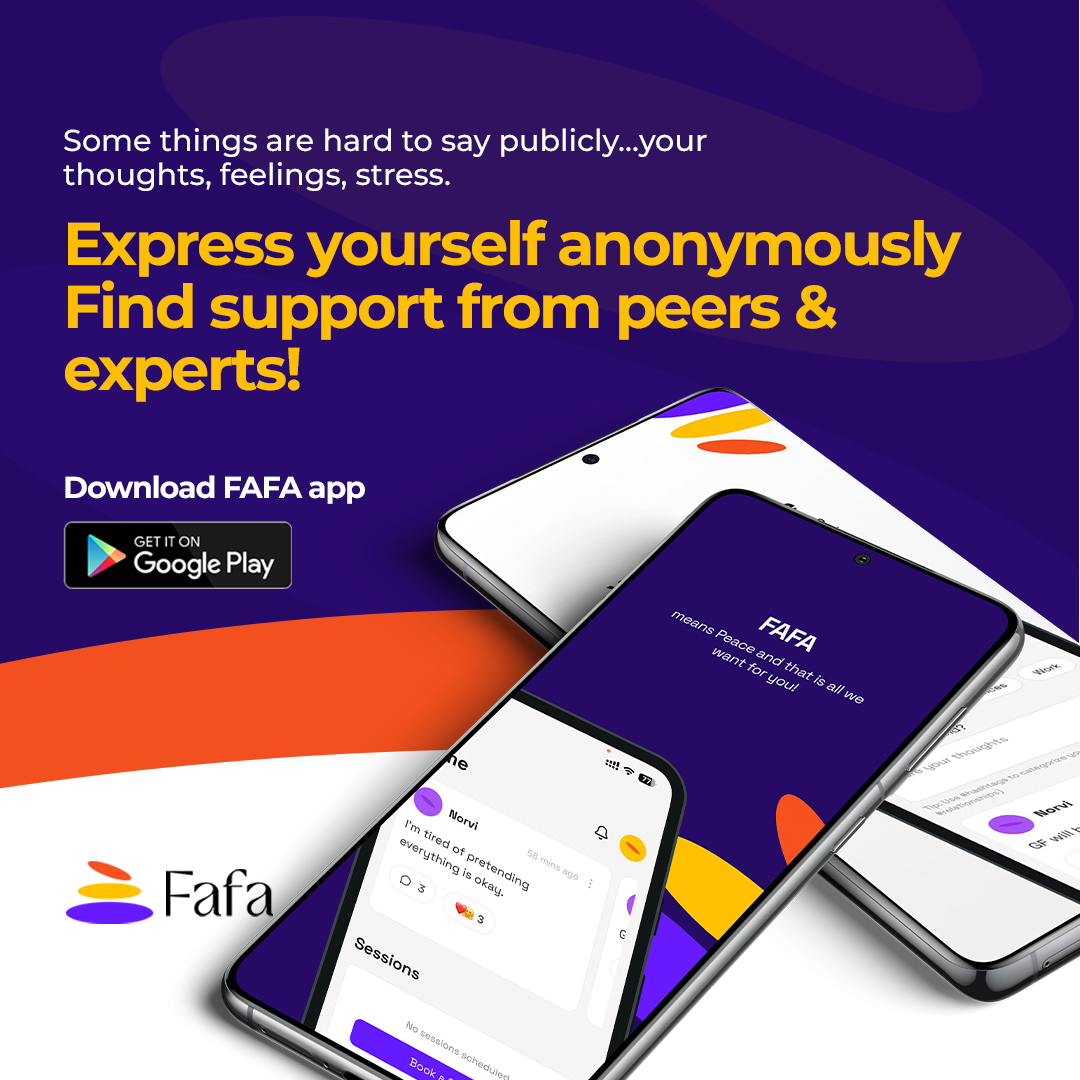
At Node Eight, we have built FAFA, a digital mental-wellbeing platform that is already live and has been tested in a secondary school setting. It combines peer conversations, wellbeing resources, confidential reporting and counsellor access. We propose that GES and protection agencies explore using FAFA as digital infrastructure connecting a student’s first disclosure to professional support and appropriate action.
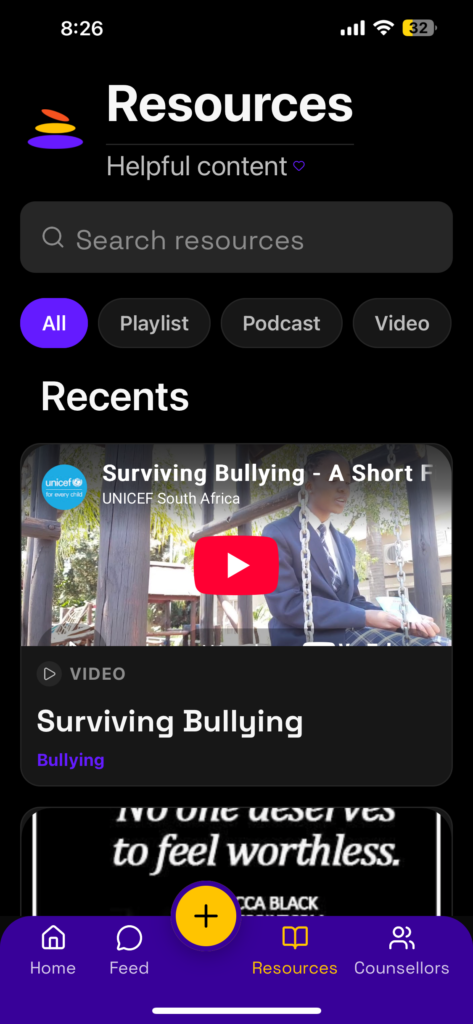
That pathway begins with helping students understand their experiences. FAFA’s resource bank can provide simple explanations of abuse, grooming, harassment, bullying and personal boundaries through videos, audio, illustrations and music. Students can learn at their own pace, including where to seek help and what reporting may involve.
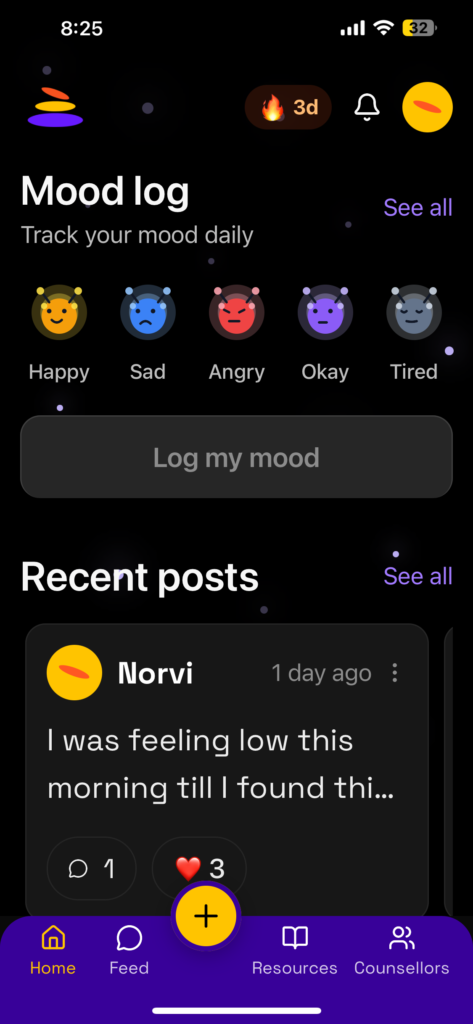
Alongside these resources, FAFA’s community offers opportunities to share and learn from others. Its discussion threads are familiar to young people who use social media, but participants do not publicly display their real names. Everyone is called “Norvi,” meaning “friend” in Ewe. Through these conversations, a student may find encouragement to seek further help from peers. However, a story can reveal someone’s identity even without a name. FAFA guides sensitive disclosures towards private support and helps students understand what is safe to share publicly.
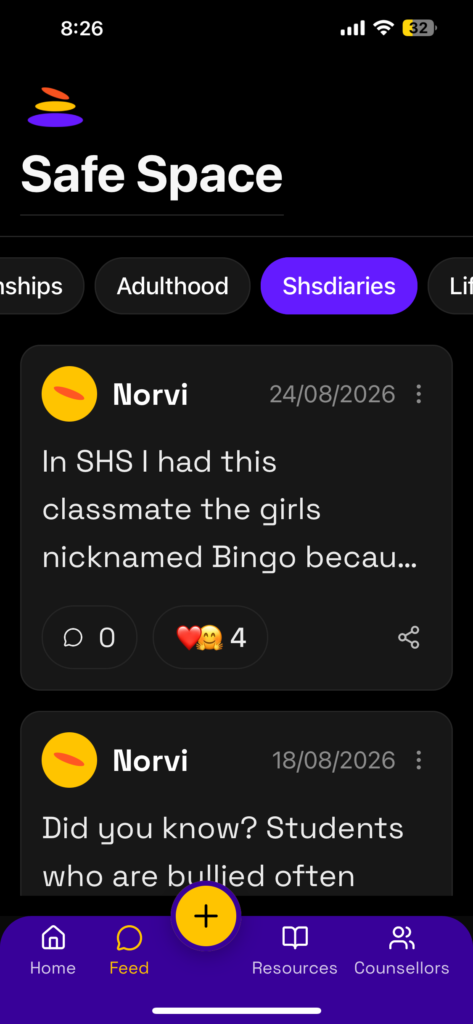
Fafa’s AI can assist this process by flagging posts that suggest possible abuse for a trained moderator to review. The moderator can privately contact the author with a secured chat feature, listen and explain available options. The AI brings concerns to human attention; it does not determine whether an allegation is true or independently send a complaint to authorities.
Students who feel ready to report an incident can open a private reporting chat on Fafa. Under the proposed partnership, an authorised national safeguarding agency administrator would assign a caseworker from an organisation such as DOVVSU or Social Welfare on the admin view of fafa. The caseworker could clarify the story, explain next steps and receive relevant supporting information through a secure process.
The conversation could continue as the case progresses. Students could ask questions, receive updates and report threats or pressure to withdraw. Caseworkers could document referrals and check whether support was received. Students initially remain unidentified to the caseworker, with any need for identity reveal explained when necessary for protection or investigation.
Because reporting can be emotionally difficult, FAFA also allows users to book audio counselling sessions with licensed therapists. Similar to a Catholic confession box, users can speak without showing their faces. They know who their counsellor is, while the counsellor sees only their pseudonym, “Norvi.” Users can choose to share their identity as trust develops, with any limits to confidentiality explained at the outset.
Counsellors support emotional wellbeing, while agency caseworkers coordinate protection and investigation, with separate access rules for their records.
For this arrangement to earn trust, implicated school staff do not have access or control reports about themselves. The platform is designed with privacy first in mind. Students using Fafa are educated on who can access information and to understand the limits of confidentiality.
The government’s distribution of tablets to senior high school students creates an opportunity to widen access to FAFA. With Ministry approval, the app could be installed on these devices, giving students access to wellbeing resources, confidential reporting and counselling. FAFA’s privacy-by-design approach limits access to identifying information, supported by checks to ensure that school device-monitoring systems cannot expose private conversations.
A pilot should precede a national adoption test of the full service: trained responders, agency coordination, privacy and student trust. Success would be measured by how quickly a student reaches a trained person, whether referrals lead to care and whether protective action follows. More reports may reflect growing confidence while silence should never be mistaken for a safe school.
Technology can make a disclosure easier to receive and harder to ignore. But its promise is fulfilled only when institutions act. Every student who finds the courage to say, “I don’t feel safe,” deserves more than a place to report. They deserve someone who responds—and stays with them until help arrives.